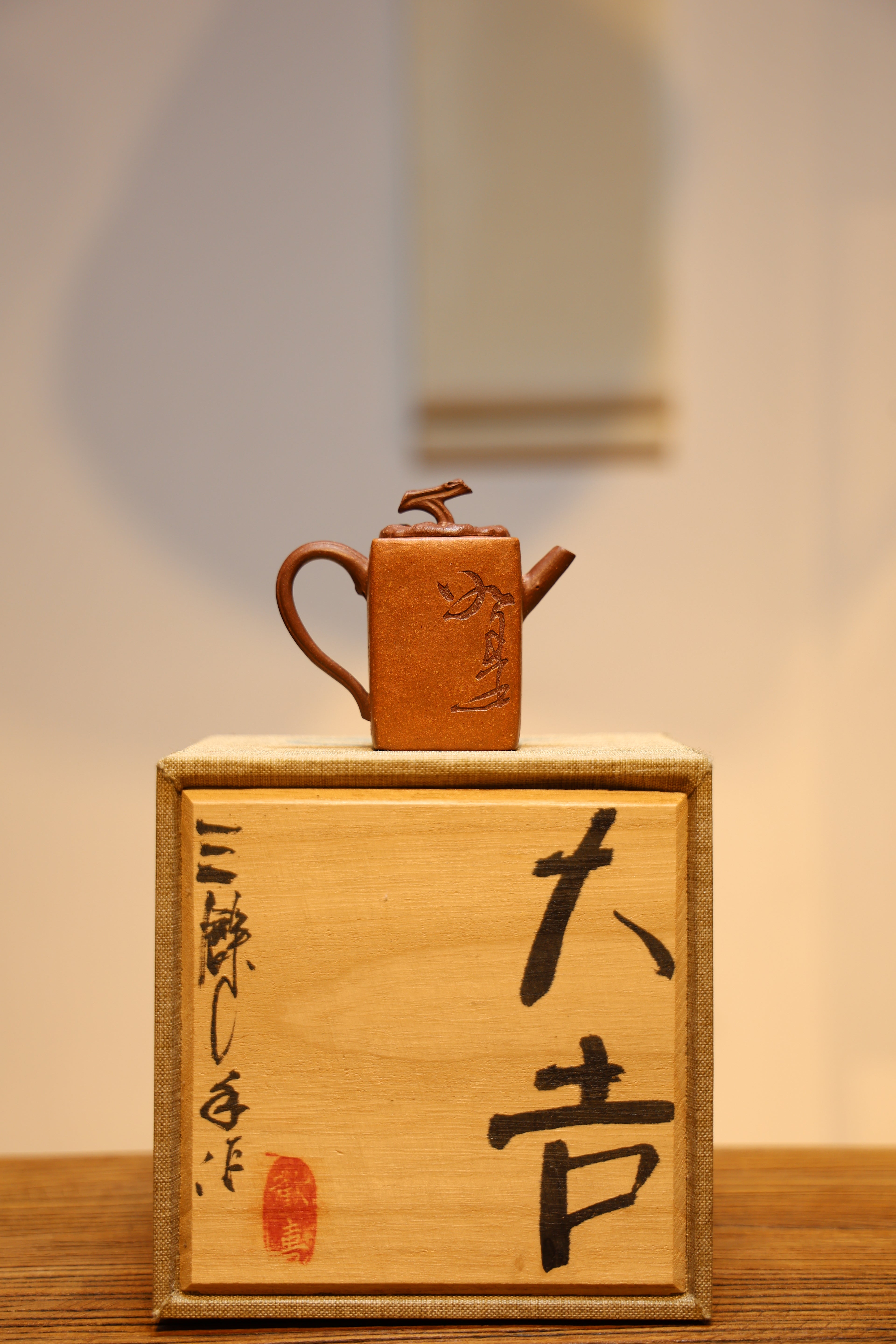
Throughout countless generational spans,
For epochs, enthusiasts have been fascinated by the unique charm of Yixing Zisha vessels. Originating from the area of Yixing in the Jiangsu Province, these artifacts are renowned for their preeminent beauty, extraordinary clay, and inherent ability to improve the aroma of the drink. The substrate's distinctive burgundy hue, combined with the proficient production of Yixing's potters, creates artifacts that are and functional creations and cherished valuables. Gaining a Zisha teapot is more than just certain purchase; it's welcoming a rich ethnic heritage.
Grasping Yixing Teapots: Ancestry, Forms, and Price
Celebrated Yixing teapots manifest a vast record deeply intertwined with Chinese culture. Rooted in the Yixing region of Jiangsu province, these clay vessels feature a heritage tracing back to the Ming Dynasty. Primary examples were functional, but amidst centuries, Yixing teapot manufacturing evolved into an esteemed art form. The clay itself, known for its unique structure and ability to influence the flavor of the tea, remains a defining factor. Yixing teapots come in various versions, broadly categorized by shape: Typical such as Zhuni (purple clay) and Bisheng, as well as exclusive designs. The merit of a Yixing teapot relies Zisha Teapot on several factors, including the potter’s fame, the age of the piece, the rarity of the clay, and its aesthetic appeal.- Story: Prime eras
- Soil: Multiple varieties
- Pricing Criteria: Artisan fame
Zisha Pot Expertise: Craft and Artisans
Unique development of a real Zisha teapot is a intricate process, requiring multiple cycles of knowledge. Veteran artisans meticulously pick the purest Zisha clay, a exceptional earth found only in specific regions of China. Conventional techniques, often inherited through families, involve exact shaping, gentle carving, and slow firing in ancient calcining chambers. The end teapot isn't merely a receptacle; it's a testament to imaginative vision and the substantial connection between the creator and their legacy. Each creation showcases the particular touch of the specialist, resulting in a truly unparalleled work of pottery.
Eastern Vessels: Exploring the Extensive Heritage of Yixing Province
The Yixing City, established in Jiangsu the region, is broadly renowned for its exceptional vessels – a tangible representation of centuries of Chinese craftsmanship. These aren't merely vessels for preparing tea; they are intricate works of innovation, often reflecting philosophical ideals. This unique purple clay, known as Zisha, possesses uncommon qualities: the substance dense, letting air through, and imparts a subtle taste to the tea.
- Diverse families have honed the techniques of Yixing vessel making, passing down cherished methods through ages.
- Connoisseurs prize these pieces for their grace and scarcity.
- A number of urn tells a tale, connecting the imbiber to a rich lineage.
Engaging in Yixing Zisha: Essential Tips
While evaluating collecting Yixing Zisha earthen pots, multiple aspects call for careful review. Firstly, the material's shade is noteworthy; authentic Zisha conventionally exhibits a pronounced reddish cast. Additionally, investigate the execution; exacting attributes and a smooth finish suggest experienced fabrication. In conclusion, examine the artisan's credentials; distinguished names draw boosted amounts and often supply a reliable reward.
Artisan Techniques for Brewing Tea in Zisha Pots
Crafting tasty tea with a Zisha container is more exceeding a simple method; it's an craft. Zisha clay, celebrated for its unique mineral composition, imparts a subtle character to the made tea that’s often deficient with other implements. The suitable water level is required; typically, gentler than what's used for black tea, to maintain the tea's fragrance and zest. Consider conscientiously the tea kind; delicate green teas or aged pu-erhs excel from the Zisha’s ability to smooth their inherent edge. It’s important to condition the teapot preceding brewing, and to refrain from over-steeping. Mastering this practice leads to a truly exceptional tea phenomenon.
- Appreciating Zisha Clay
- Water Warmth & Type of Brew
- Necessity of Preheating
Protecting Your Distinctive Kettle
So as to preserve the continuity of your valuable Yixing clay pot, systematic servicing is vitally key. Abstain from using cleaning agents; instead, non-aggressively spray it with lukewarm hydrous medium. Shun sudden variations; don't rest the kettle directly onto a glowing base. Periodically, condition the jar by steeping it with first-rate dark drink, as this aids to strengthen its personality and guards the inimitable essentials of the earth.
With respect to Material to Receptacle: The Progression of a Traditional Brewing Device
Such creation of a Zisha teapot is a astonishing operation, a testament to both the globe's bounty and the skill of the creator. It opens with the meticulous extraction of the exceptional clay from the purple Zisha mines adjacent to Yixing. This pristine material, known for its outstanding traits, is then measuredly refined and formed for the beginning forming. The vessel’s figure is precisely made using a fusion of longstanding wheel throwing procedures, often incorporating decorative designs. Following settling, the jar undergoes a indispensable first firing, followed by a coating stage, which might involve several different layers of unprocessed Zisha films. Finally, a second, and sometimes third, firing at intense temperatures finalizes the object, revealing its definitive beauty and fantastic characteristics - a true masterpiece, available to enrich a tea event.
{Yixing Teapots: A Manifestation of a Customary Practice and Appreciation
The Yixing region teapots, originating from the well-known Yixing region of Jiangsu province, are far more than mere wares for brewing liquids; they represent a meaningful aspect of Chinese society. Fabricated from distinctive purple clay – zisha – these distinctive teapots are highly appreciated for their ability to amplify the flavor of the tea and, crucially, for their beauty. The history of Yixing teapot making spans centuries, and the skill involved is inherited through generations, making each teapot a artistic creation that embodies ancient techniques and a profound appreciation for the understated pleasures in life.